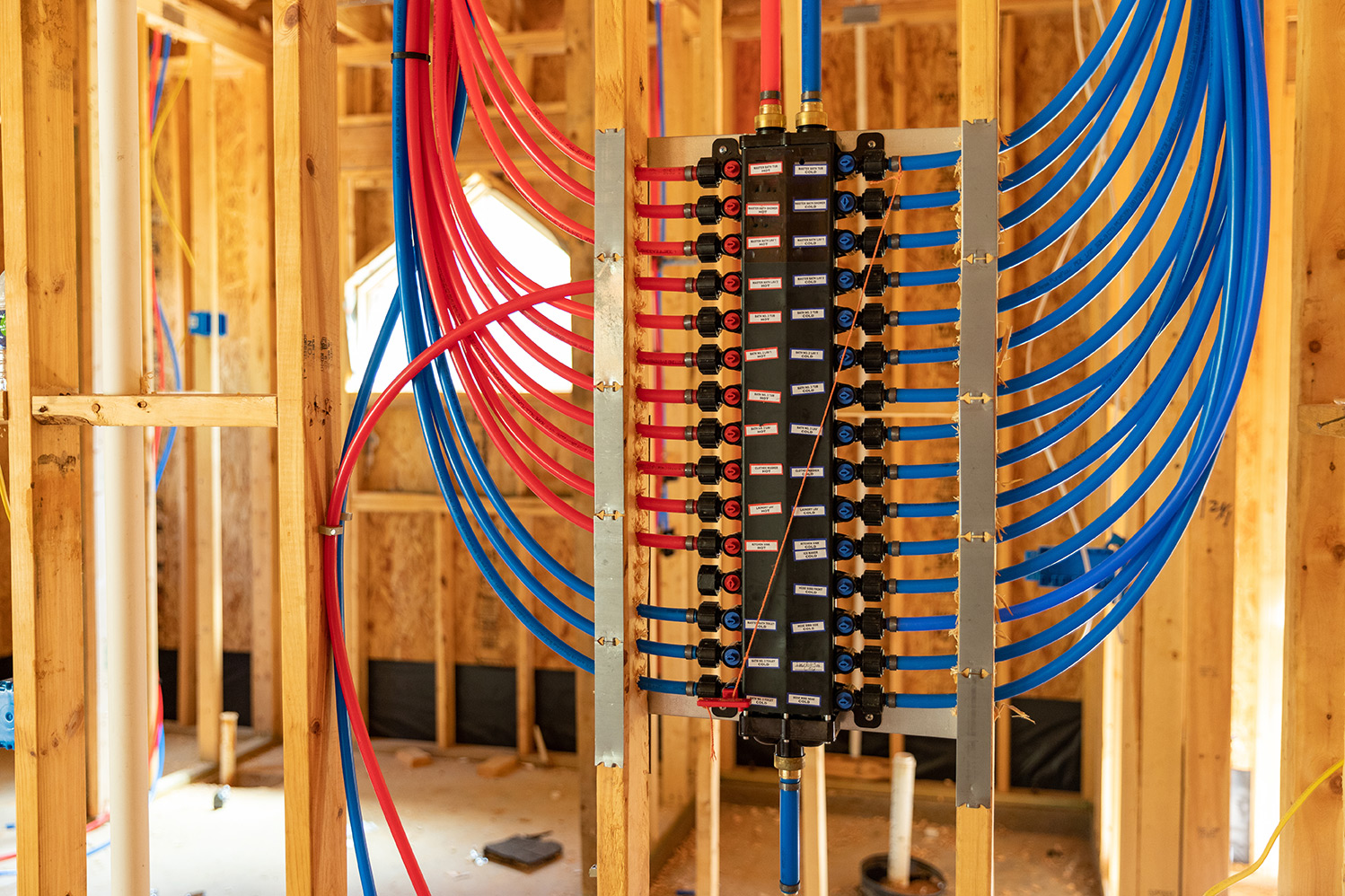
Residential vs Commercial Plumbing Requirements in North Carolina
Why Residential and Commercial Plumbing Cannot Be Treated the Same Residential and…
Residential and commercial plumbing systems are governed by different realities, even when installed under the same state code. In North Carolina, residential systems are designed around predictable household usage patterns, while commercial systems must handle sustained demand, peak loads, and higher occupancy. Treating these two environments the same leads to undersized systems, premature wear, and operational failures.
The distinction is especially important in growing areas around Charlotte where residential style construction methods are sometimes applied to light commercial projects. This shortcut often passes initial inspection but creates long term performance problems that surface after occupancy.
Residential plumbing is built to support intermittent use throughout the day. Showers, appliances, and fixtures are rarely operating simultaneously for extended periods. Commercial plumbing systems must assume continuous or near continuous usage, often with multiple fixtures operating at once.
This difference directly affects pipe sizing, water heater capacity, and drainage design. Undersized supply lines that function adequately in a home can fail quickly in a commercial setting, resulting in pressure loss and inconsistent performance.
While both residential and commercial plumbing fall under North Carolina plumbing code, commercial projects face additional scrutiny. Accessibility requirements, backflow prevention, and fixture load calculations are common inspection focus areas. These requirements influence layout decisions early in the project and cannot be addressed effectively after installation.
Commercial inspections also tend to involve multiple phases. Missing a requirement at any stage can delay approvals and affect other trades. Plumbers who regularly work in commercial environments understand how to sequence work to avoid these delays.
Residential plumbing failures typically affect a single household. Commercial plumbing failures impact employees, customers, and operations. The cost of downtime often exceeds the cost of the repair itself. For this reason, commercial systems are designed with durability, service access, and future maintenance in mind.
In contrast, residential systems prioritize longevity and efficiency over constant access. Understanding these priorities helps property owners make informed decisions about repair versus replacement as systems age.
A plumber experienced only in residential work may overlook critical commercial requirements that are not obvious during installation. Property owners and builders should work with professionals who understand both environments and can apply the correct standards to each project.
For more information on properly designed commercial systems and compliance requirements,
Reliable, scalable builds for retail, office, and industrial spaces—delivered with zero surprises.
Why Residential and Commercial Plumbing Cannot Be Treated the Same Residential and…
Why New Construction Plumbing Mistakes Are Often Permanent Plumbing mistakes made during…
Why New Construction Plumbing Is Decided Before Pipes Are Installed The success…