Red and Blue Plumbing

How Commercial Plumbing Systems Differ from Residential Plumbing

Usage Patterns Change Everything

The most important difference between commercial and residential plumbing is how the system is used. Residential plumbing is designed around predictable, intermittent demand. Commercial plumbing must assume sustained use throughout the day, often with multiple fixtures operating simultaneously. This difference alone drives major changes in pipe sizing, water heating capacity, and drainage design.


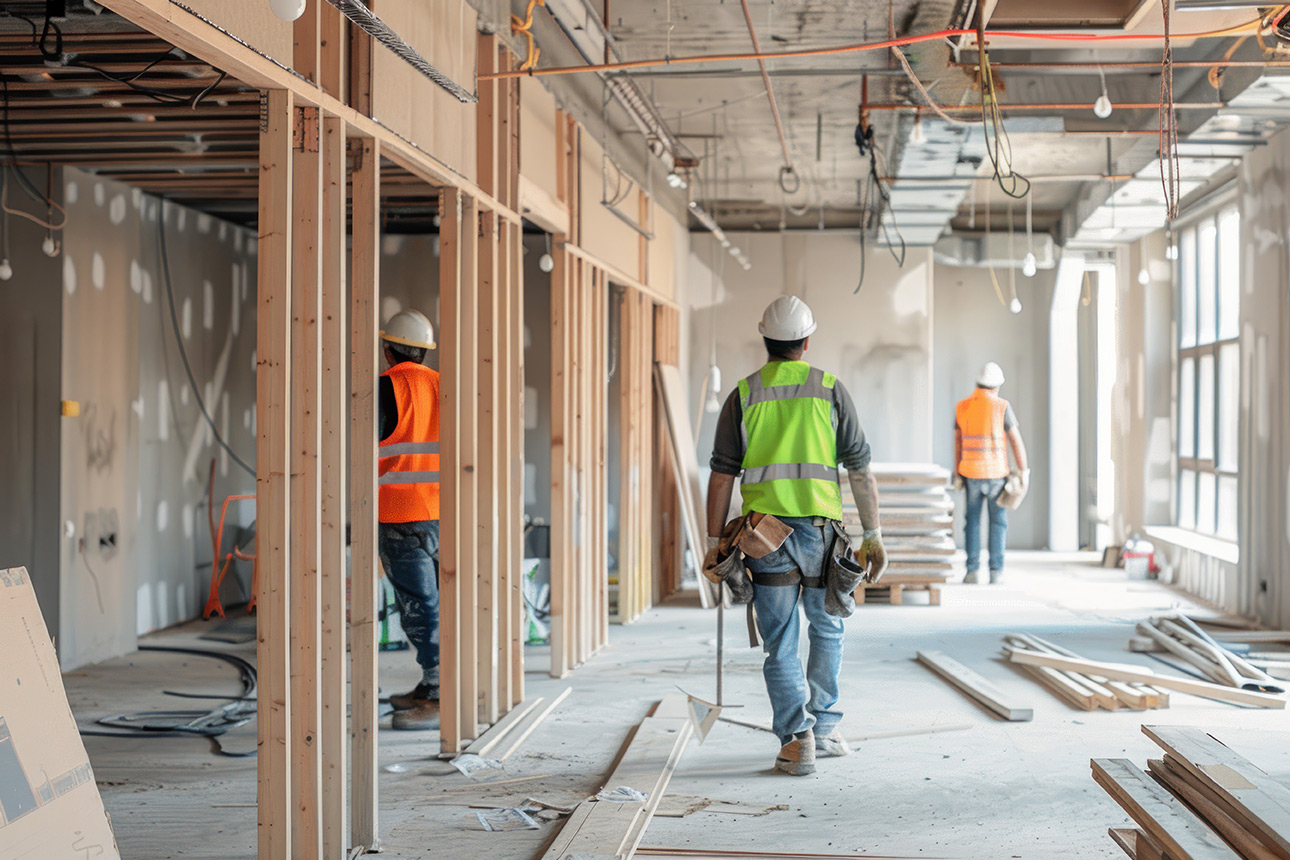
In Charlotte and surrounding markets, many light commercial buildings are converted from residential structures. When plumbing systems are not redesigned to match commercial demand, performance issues appear quickly after occupancy.

Pipe Sizing and Water Distribution Requirements

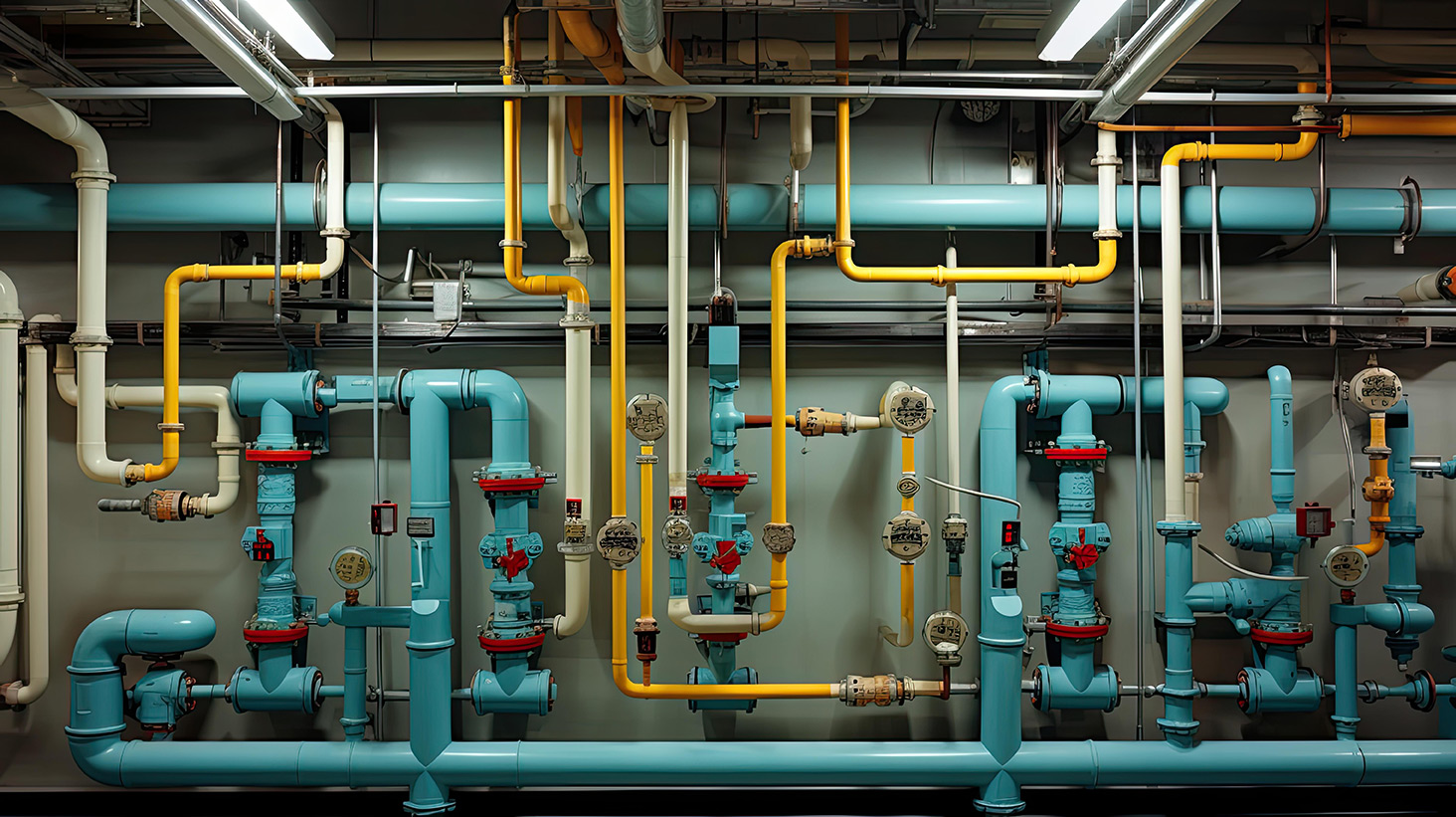
Residential pipe sizing is often sufficient for a single family household but fails under commercial load. Commercial systems require larger diameter supply lines to maintain consistent pressure during peak usage. Undersized piping causes pressure drops that affect fixture performance and customer experience.


Experienced plumbers size commercial systems based on actual fixture demand rather than minimum residential assumptions. This approach prevents long term performance complaints and premature system wear.

Drainage and Venting Complexity

Commercial drainage systems must handle higher volume and faster discharge rates. Improper slope or vent placement leads to slow drains, backups, and odor issues that disrupt operations. These problems are more than inconveniences in commercial settings. They can force temporary closures.


Vent systems in commercial buildings must account for fixture density and building height. Residential vent strategies often fail when applied to commercial layouts.

Specialized Equipment and Compliance Requirements

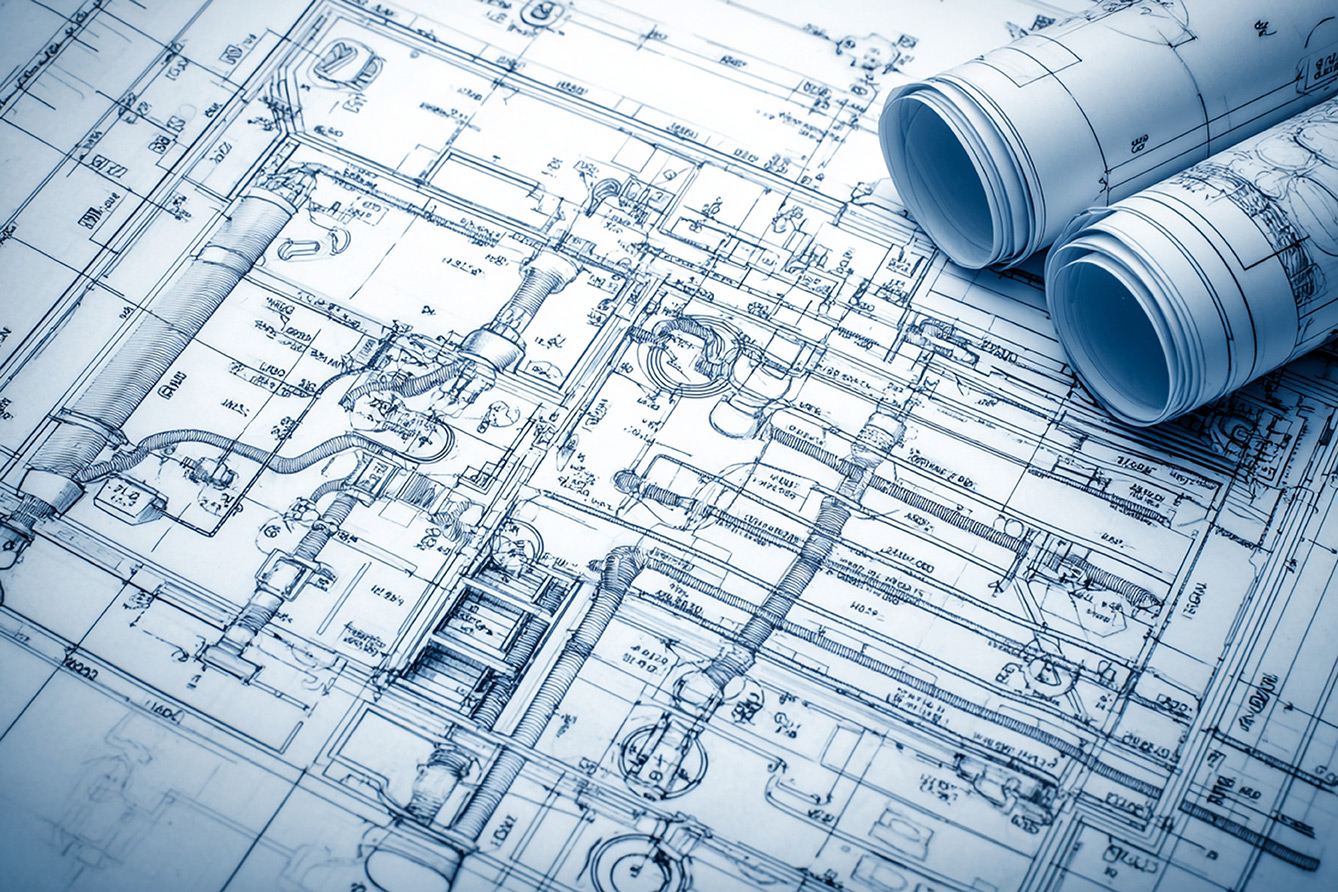
Commercial plumbing frequently includes equipment not found in residential systems. Grease interceptors, floor drains, backflow prevention devices, and high capacity water heaters require careful integration. These components also introduce additional inspection requirements. Compliance failures are costly in commercial environments, especially when inspection requirements are missed. Delays affect opening timelines and create scheduling conflicts with other trades.

Risk, Liability, and Long Term Cost

Plumbing failures in commercial properties carry higher risk than residential failures. Downtime impacts employees, customers, and revenue. Repairs often need to be completed immediately, increasing labor costs. Proper system design reduces this risk and lowers long term ownership costs. Businesses benefit from working with plumbers who understand commercial infrastructure from the planning stage forward. Proper system design reduces this risk and lowers long term ownership costs. Businesses benefit from working with plumbers who understand commercial infrastructure from the planning stage forward. For more information on properly designed and compliant commercial systems,

Related Articles

Reliable, scalable builds for retail, office, and industrial spaces—delivered with zero surprises.

Plumbing Code Requirements for Commercial Buildings in Charlotte NC

Plumbing Code Requirements for Commercial Buildings in Charlotte NC

Why Local Code Enforcement Matters More Than the Code Book While North…

Preventing Costly Plumbing Downtime in Commercial Properties

Preventing Costly Plumbing Downtime in Commercial Properties

Downtime Is Rarely Caused by Sudden Failure Most plumbing downtime in commercial…

How Commercial Plumbing Systems Differ from Residential Plumbing

How Commercial Plumbing Systems Differ from Residential Plumbing

Usage Patterns Change Everything The most important difference between commercial and residential…

Scroll to Top