Residential vs Commercial Plumbing Requirements in North Carolina
Why Residential and Commercial Plumbing Cannot Be Treated the Same Residential and…
The success of a new construction plumbing system is largely determined before any material arrives on site. In the Charlotte area, plumbing layouts must be coordinated early with framing, HVAC, and electrical plans to avoid conflicts that force last minute changes. When plumbing is treated as an afterthought, it often leads to inefficient pipe runs, reduced water pressure, and access issues that affect the building for decades.
Local conditions also matter. Charlotte and surrounding parts of North Carolina and South Carolina include a mix of clay heavy soils and older municipal infrastructure, both of which influence drainage design and connection methods. An experienced plumber accounts for these factors during planning, not after problems appear.
Pipe sizing, fixture placement, and vent routing are not interchangeable choices. Undersized supply lines are a common issue in larger homes and mixed use buildings where simultaneous demand is underestimated. Poor vent design leads to slow drainage and sewer gas issues that are difficult to correct once walls are closed.
Experienced plumbers design systems based on actual usage patterns rather than minimum code assumptions. This approach improves performance and reduces future service calls. These decisions are far less expensive to make during design than to correct after occupancy.
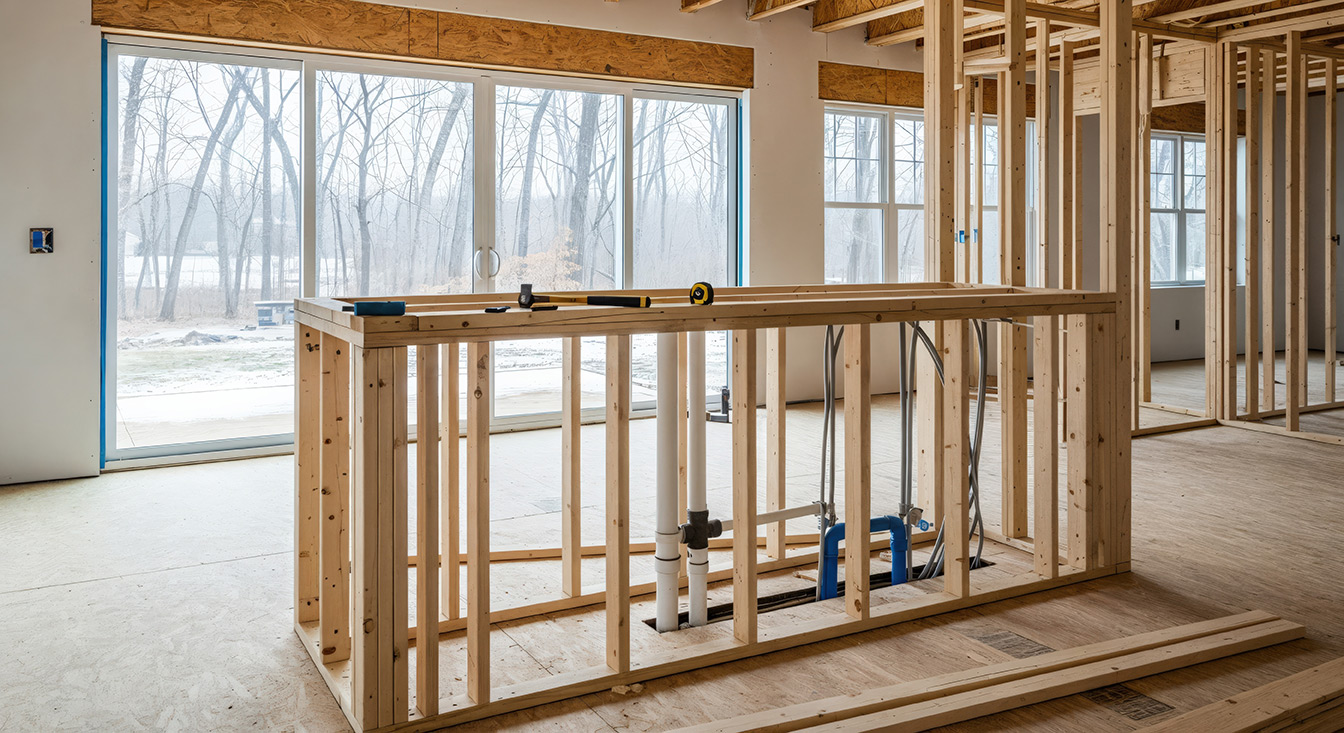
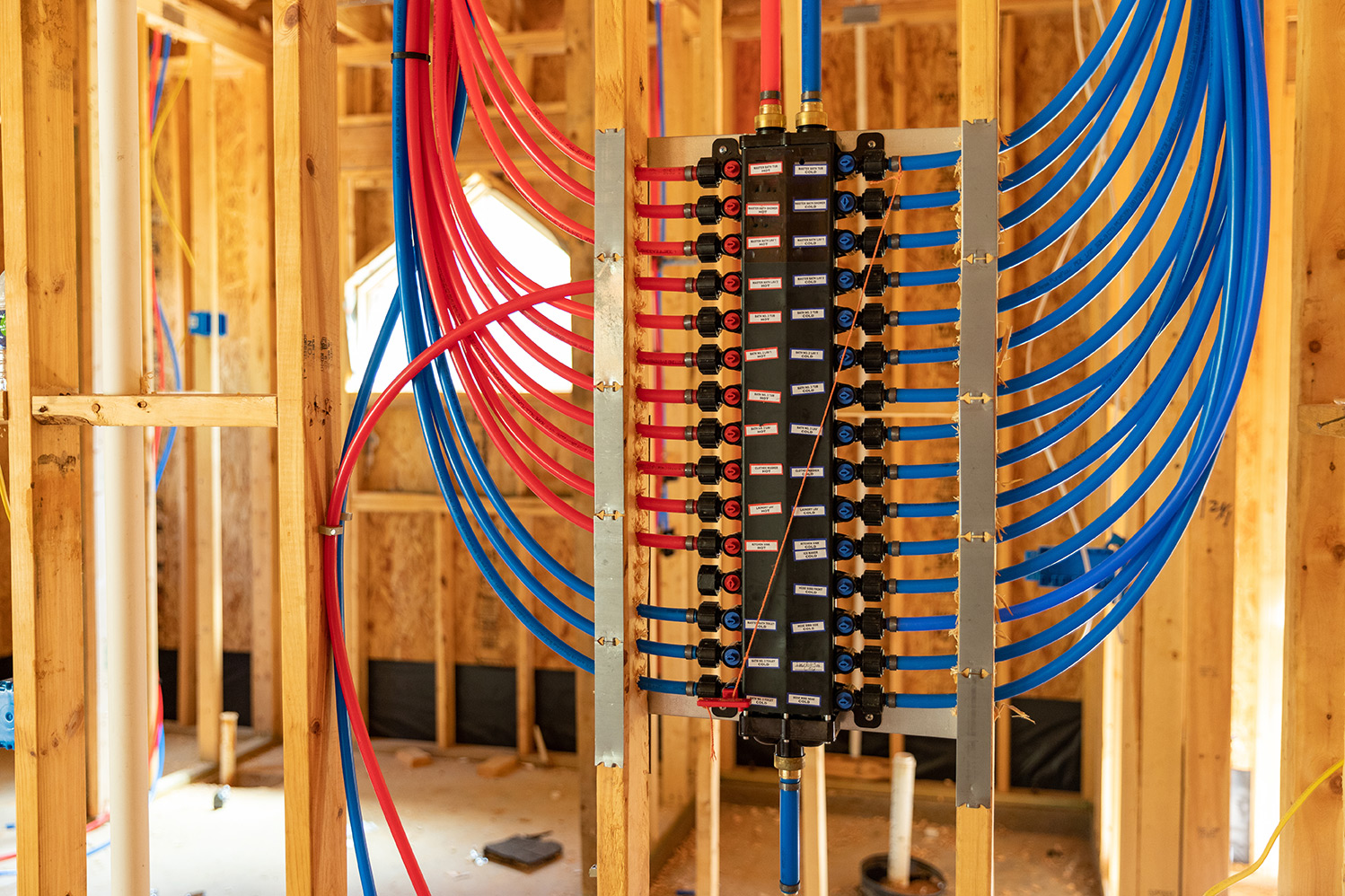
Rough in plumbing is where quality becomes permanent. Water supply lines, drains, and vents are installed before insulation and drywall, making this the last opportunity to correct layout or sizing issues without demolition. In the Charlotte region, inspectors pay close attention to slope, venting, and cleanout placement at this stage.
Pressure testing and drainage testing are critical during rough in. Skipping or rushing these steps increases the risk of hidden leaks that may not surface until months or years later. Once walls are closed, even minor errors become costly repairs.
New construction plumbing typically involves multiple inspections, including rough in and final approval. Failed inspections often stem from shortcuts taken earlier in the project rather than minor technicalities. Each failed inspection can delay other trades and push back completion timelines.
Plumbers familiar with local inspection expectations anticipate these requirements and prepare systems accordingly. This reduces delays and keeps projects moving forward without rework.
New construction plumbing is not the same as service work or remodels. It requires planning discipline, coordination with other trades, and familiarity with local code enforcement. Builders and property owners benefit from working with plumbers who specialize in full system installation rather than piecemeal repairs.
For more detail on professional installation standards and project coordination,
Reliable, scalable builds for retail, office, and industrial spaces—delivered with zero surprises.
Why Residential and Commercial Plumbing Cannot Be Treated the Same Residential and…
Why New Construction Plumbing Mistakes Are Often Permanent Plumbing mistakes made during…
Why New Construction Plumbing Is Decided Before Pipes Are Installed The success…