Red and Blue Plumbing

How Long Does a Water Heater Last in North Carolina Homes

Lifespan Depends More on Conditions Than Brand

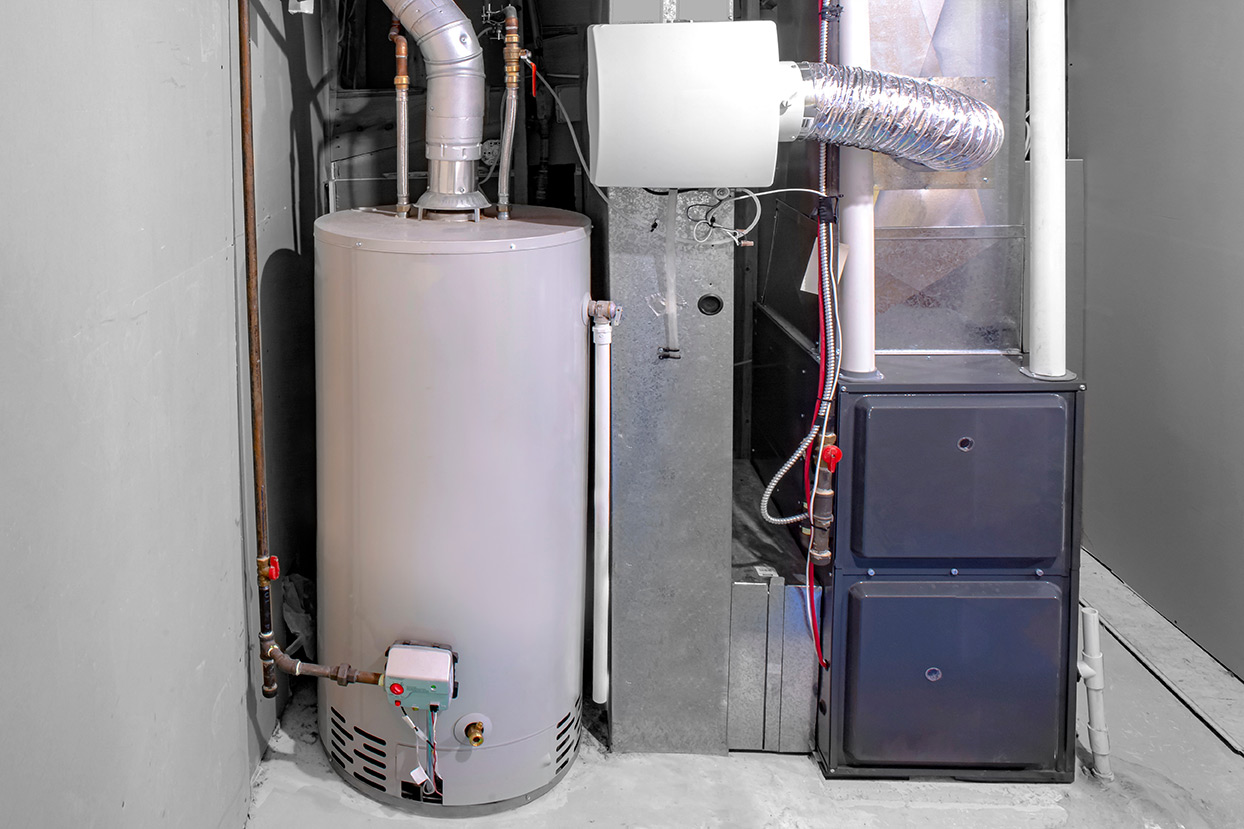
In North Carolina homes, most standard tank water heaters last between eight and twelve years. This range is influenced far more by local conditions than by manufacturer reputation. Water quality, usage patterns, and installation quality all play a larger role in longevity than branding or warranty length. Homes in the Charlotte area often experience mineral heavy water that accelerates internal wear. Sediment buildup inside the tank increases stress on heating elements and shortens service life if not addressed.

Water Quality and Sediment Accumulation

Minerals naturally present in local water supplies settle at the bottom of tank water heaters over time. This sediment acts as an insulator between the heating element and the water, forcing the system to work harder to maintain temperature. As efficiency drops, internal components experience increased wear.


Without periodic maintenance, sediment buildup can lead to overheating, noise, and premature tank failure. In many cases, homeowners are unaware of this process until performance noticeably declines.

Usage Patterns and Recovery Demand

Households with high or overlapping hot water usage place additional strain on water heaters. Frequent recovery cycles increase wear on heating elements and internal controls. In larger homes or properties with multiple bathrooms, undersized systems reach this failure threshold faster.


Proper sizing during installation plays a critical role in lifespan. Systems that are too small for the household fail earlier regardless of maintenance.

Warning Signs That Indicate End of Service Life

Declining hot water availability, inconsistent temperatures, and rising energy bills often indicate that a system is nearing the end of its usable life. Visible corrosion on fittings or moisture around the tank base suggests structural deterioration. At this stage, repair becomes less predictable and replacement planning is advisable. Waiting for complete failure increases the risk of water damage and emergency replacement costs.

Planning Replacement Before Failure

Proactively replacing a water heater before failure allows homeowners to control timing and cost. Planned replacement avoids emergency labor rates and reduces the risk of property damage. It also provides an opportunity to evaluate system type, capacity, and efficiency based on current household needs.


Homeowners planning replacement can review professional evaluation and installation options at

Related Articles

Reliable, scalable builds for retail, office, and industrial spaces—delivered with zero surprises.

Signs It Is Time to Replace Your Water Heater in Charlotte NC

Signs It Is Time to Replace Your Water Heater in Charlotte NC

Water Heater Failure Is Usually Predictable Water heaters rarely fail without warning.…

How Long Does a Water Heater Last in North Carolina Homes

How Long Does a Water Heater Last in North Carolina Homes

Lifespan Depends More on Conditions Than Brand In North Carolina homes, most…
Tank vs Tankless Water Heaters Which Is Right for Your Home

Tank vs Tankless Water Heaters Which Is Right for Your Home

The Decision Starts With How Your Household Uses Hot Water The choice…

Scroll to Top