Red and Blue Plumbing

Low Water Pressure in Charlotte Homes Could It Be the Service Line

Why Low Water Pressure Is Often Misdiagnosed

When water pressure drops, many homeowners assume the problem is inside the home. Faucets, fixtures, and pressure regulators are common suspects, and in some cases they are the cause. In Charlotte area homes, however, widespread pressure loss is frequently tied to the water service line rather than interior plumbing. Misdiagnosing the source leads to unnecessary repairs that do not resolve the underlying issue. Service line problems develop slowly and affect the entire system. Understanding this distinction is critical before any corrective work begins.

Whole House Pressure Loss Points to External Issues

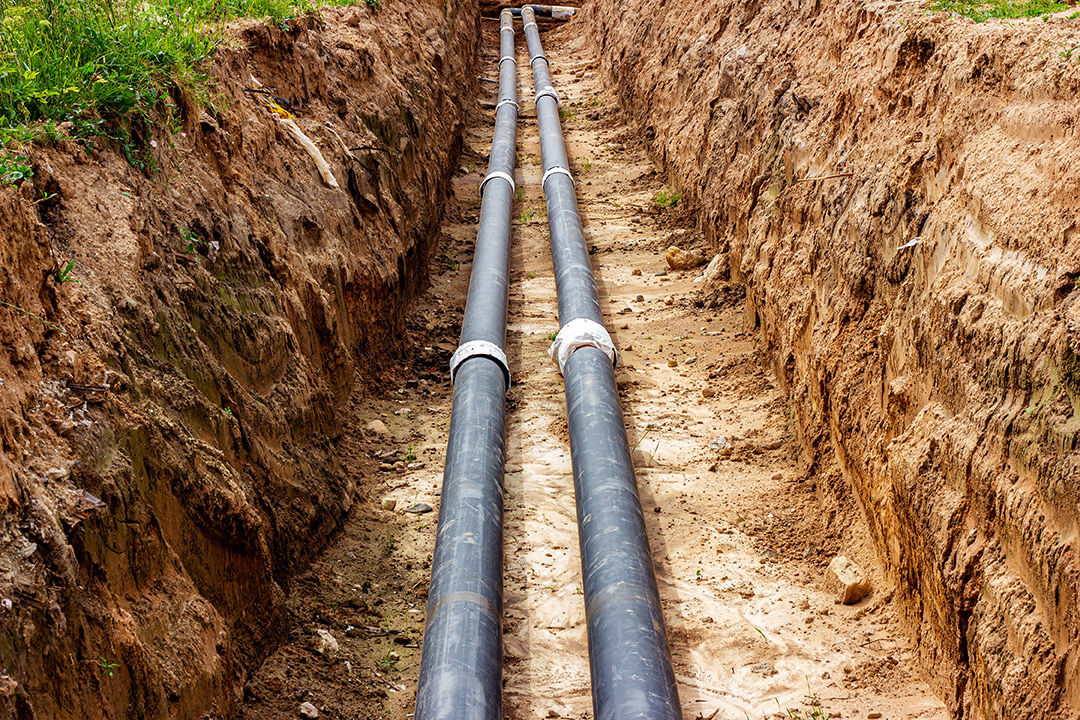
Interior plumbing issues usually affect individual fixtures or specific branches of the system. When pressure is consistently low at every faucet, shower, and appliance, the restriction is typically upstream of the home. Corrosion, mineral buildup, or partial collapse inside the service line limits volume before water reaches interior piping. In older Charlotte neighborhoods, service lines made from galvanized steel or aging copper are especially vulnerable to internal deterioration. These materials corrode from the inside out, reducing effective pipe diameter long before leaks appear.

How Soil and Infrastructure Contribute to the Problem

Local soil conditions play a role in service line degradation. Clay heavy soils common in parts of North Carolina retain moisture and accelerate corrosion when protective coatings fail. Ground movement caused by seasonal moisture changes can also stress buried lines, creating small fractures that restrict flow.


Municipal infrastructure age compounds the issue. As city water pressure fluctuates, weakened service lines struggle to deliver consistent volume to the home.

Why Interior Repairs Often Fail to Fix Pressure Issues

Replacing fixtures or installing booster pumps may temporarily mask symptoms but does not address restricted supply. Booster pumps placed on failing service lines increase stress and accelerate deterioration. This approach often results in leaks or sudden line failure.


Proper diagnosis includes pressure testing and inspection to determine whether the restriction is inside or outside the home. This step prevents wasted expense and repeat service calls.

Repair Versus Replacement of the Service Line

Minor damage in newer service lines may be repairable, but aging materials tend to fail in multiple locations. Repeated repairs do not restore full pipe diameter or reliability. Replacement provides consistent pressure, improved water quality, and long term stability.


Homeowners experiencing persistent low pressure can learn more about professional evaluation and replacement options at

Related Articles

Reliable, scalable builds for retail, office, and industrial spaces—delivered with zero surprises.

Low Water Pressure in Charlotte Homes Could It Be the Service Line

Low Water Pressure in Charlotte Homes Could It Be the Service Line

Why Low Water Pressure Is Often Misdiagnosed When water pressure drops, many…

Old Water Lines in North Carolina When Replacement Is the Best Option

Old Water Lines in North Carolina When Replacement Is the Best Option

Aging Pipe Materials Create Predictable Failure Patterns Many homes across North Carolina…
How to Tell If Your Water Service Line Needs Replacement

How to Tell If Your Water Service Line Needs Replacement

Why Service Line Problems Are Often Misdiagnosed Water service line failures are…

Scroll to Top